
Harmonic distortion is a common power quality problem in modern paper mills. With the increasing use of variable frequency drives (VFDs), large motors, pumps, fans, compressors, and other power electronic equipment, harmonic currents can affect the stability and efficiency of the electrical system.
Excessive harmonics can cause transformer overheating, motor losses, capacitor failures, nuisance trips, and reduced equipment life. Therefore, effective harmonic mitigation is an important part of maintaining reliable operation in a paper mill.
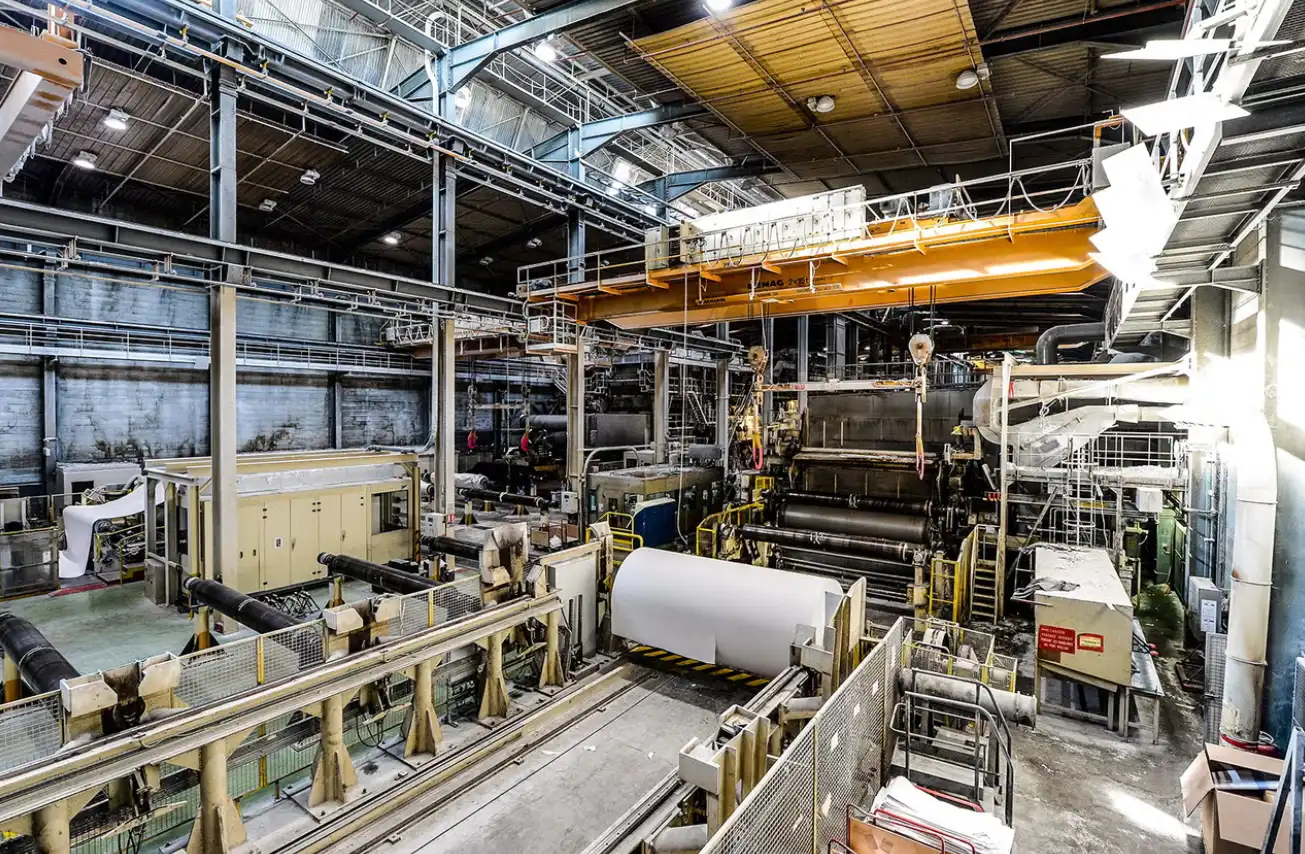
Common Sources of Harmonics in Paper Mills
The main harmonic sources in a paper mill are nonlinear electrical loads, including:
- Variable frequency drives (VFDs)
- Large rectifiers and DC drives
- UPS systems and battery chargers
- Industrial power supplies
- Large pumps, fans, and compressors
- Other power electronic equipment
Traditional six-pulse VFDs are particularly common sources of 5th and 7th harmonic currents. When many VFDs operate simultaneously, the combined harmonic current can significantly increase the plant’s total harmonic distortion (THD).
How Harmonics Affect a Paper Mill
Excessive harmonic distortion can create several problems:
Transformer Overheating: Harmonic currents increase additional losses in transformers and may reduce their effective capacity.
Motor Heating: Harmonic currents and voltage distortion can increase motor losses and operating temperature.
Capacitor Failures: Harmonics can interact with capacitor banks and create resonance, potentially causing overheating or premature capacitor failure.
Equipment Trips: High harmonic distortion may contribute to VFD faults, breaker trips, PLC disturbances, and other power quality problems.
Higher Energy Losses: Harmonic currents increase RMS current and electrical losses in cables, transformers, and distribution equipment.
Effective Methods for Harmonic Mitigation
-
Conduct a Harmonic Power Quality Study
Before selecting a solution, the electrical system should be measured and analyzed.
A power quality study should evaluate:
- Voltage THD (THDv)
- Current THD (THDi)
- Individual harmonic orders
- Power factor
- Transformer loading
- Capacitor bank operation
- VFD loading conditions
Measurements at the main switchgear, transformers, MCCs, and major VFDs can help identify the main harmonic sources.
-
Install an Active Harmonic Filter
An Active Harmonic Filter (AHF) is one of the most flexible solutions for industrial harmonic mitigation.
The filter continuously monitors the electrical system and generates compensating currents to cancel unwanted harmonic currents.
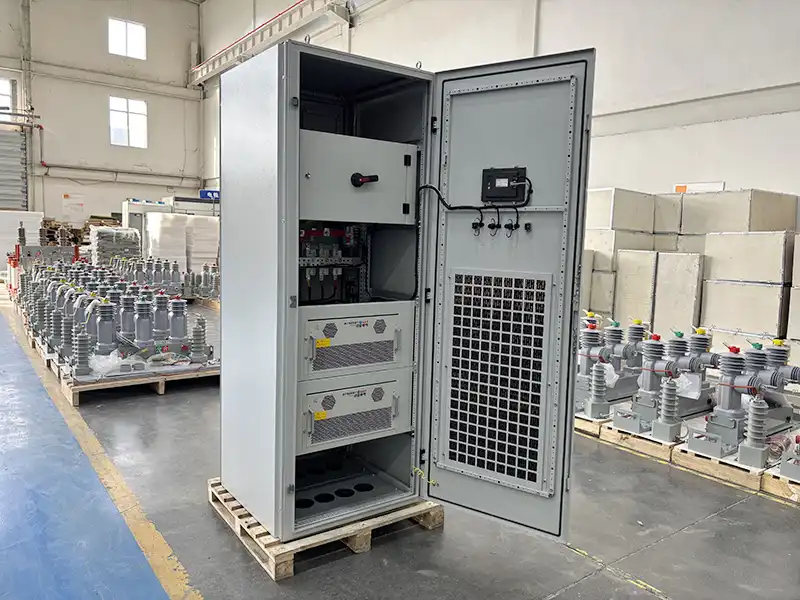
Active harmonic filters are especially useful in paper mills where production loads change frequently.
Benefits can include:
- Reduced current THD
- Improved power quality
- Improved power factor
- Reduced transformer and cable heating
- Lower electrical losses
- Better system reliability
-
Use Passive Harmonic Filters
Passive harmonic filters use inductors, capacitors, and other components to reduce specific harmonic frequencies.
They can be an economical solution when harmonic sources and operating conditions are relatively stable. However, proper engineering is essential to avoid unwanted resonance conditions.
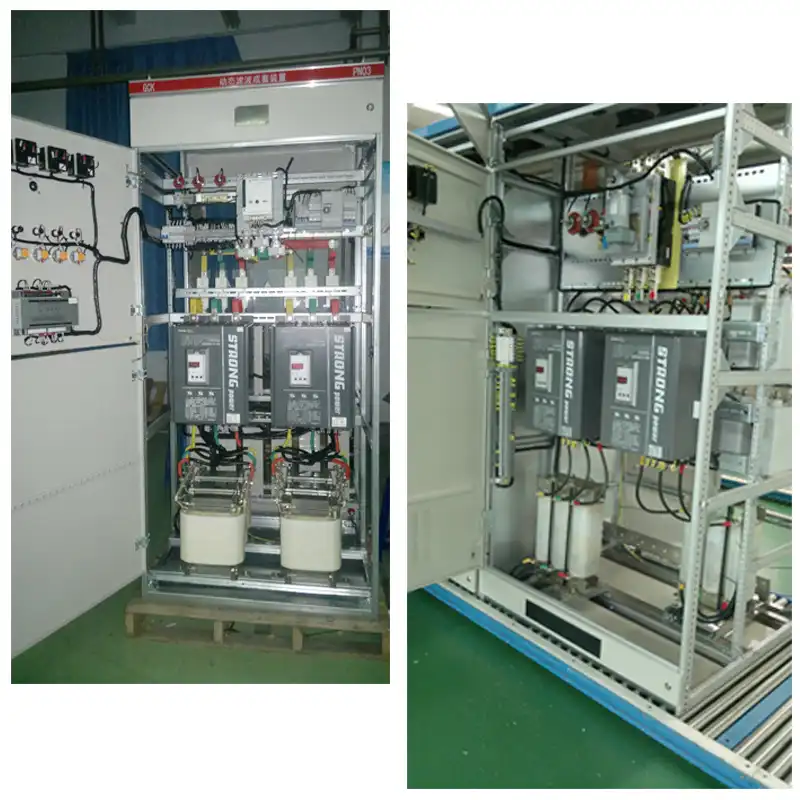
For paper mills with highly variable loads and multiple harmonic sources, active harmonic filters are often considered because they can dynamically respond to changing operating conditions.
Conclusion
Reducing harmonic distortion is important for improving power quality, equipment reliability, and electrical efficiency in paper mills.
The best approach is to first perform a harmonic study, identify the major sources, and then select the appropriate solution. Depending on the application, this may include active harmonic filters, passive harmonic filters, low-harmonic VFDs, line reactors, or other harmonic mitigation technologies.
A properly designed harmonic mitigation system can help paper mills reduce electrical stress, prevent equipment problems, and maintain more stable production.
If your paper mill is experiencing high THD, transformer overheating, capacitor failures, or VFD faults, a professional harmonic analysis can help determine the right solution.