
Guide to Choosing a Chinese Single-Phase Transformer Manufacturer
While single-phase transformers, serving as core components of electrical systems, may not be as visually prominent as large power transformers, they remain in high demand across a variety of fields, including industrial control, renewable energy generation, rail transportation, and medical equipment. With the advancement of China’s manufacturing sector, the number of single-phase transformer manufacturers has grown substantially, offering a wide spectrum of products ranging from low-end to high-end. This proliferation provides buyers with ample choice, but also complicates the process of selecting the right supplier. Identifying a suitable supplier from among numerous manufacturers is therefore a critical task. This article will propose a systematic selection framework and offer practical guidance.
Clearly Define Your Requirements:
Any prudent procurement process starts with a clear understanding of your needs. Before selecting a single-phase transformer manufacturer, be sure to define:
Technical Parameters: Rated power, primary/secondary voltage, frequency, number of phases (confirm single-phase), insulation class, cooling method, protection class, etc.
Application Scenario: Is it for voltage stabilization in precision instruments, or for photovoltaic inverter grid connection? Will it be used in a humid mining environment or a clean laboratory? Different scenarios impose vastly different demands on reliability, efficiency, and environmental adaptability.
Standards and Certifications: Does the product need to comply with specific certification standards (such as IEC, UL, EN, CSA, GB, NB/T, etc.)? Mandatory CCC certification is a basic requirement.
Budget and Order Volume: Is this a one-time project replacement or part of a long-term bulk procurement plan? This will influence price sensitivity and determine the appropriate cooperation model.
Core Evaluation Dimensions
Based on your specific transformer requirements, potential manufacturers can be assessed across the following key dimensions:
Dimension One: Corporate Foundation and Qualifications
This forms the cornerstone of trust. Prioritize companies with a proven operational history and stable business performance, along with all relevant industry certifications and qualifications.
Dimension Two: Technological Innovation and R&D Capabilities
Given the “dual carbon” objectives and the push for energy efficiency upgrades, technological leadership is paramount. Evaluate the company’s R&D personnel ratio, ownership of core technologies, and track record in product development.
Dimension Three: Manufacturing Processes and Quality Control
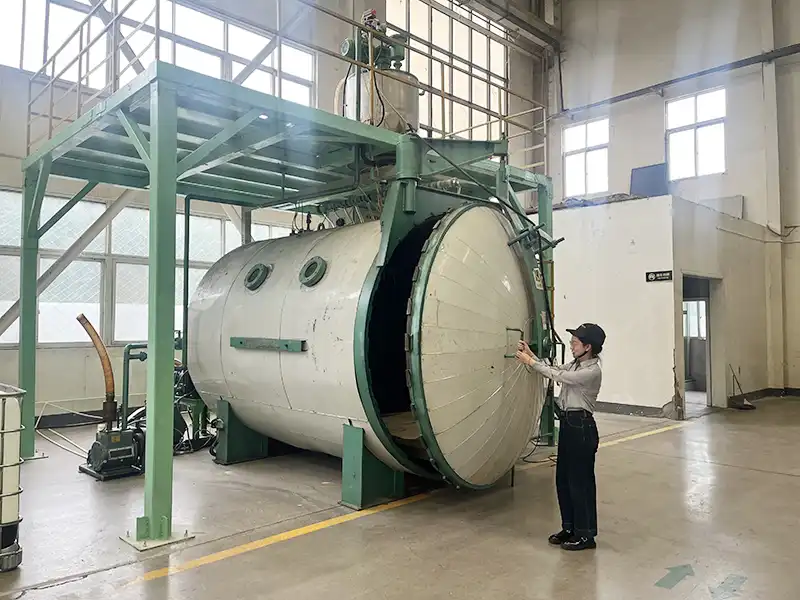
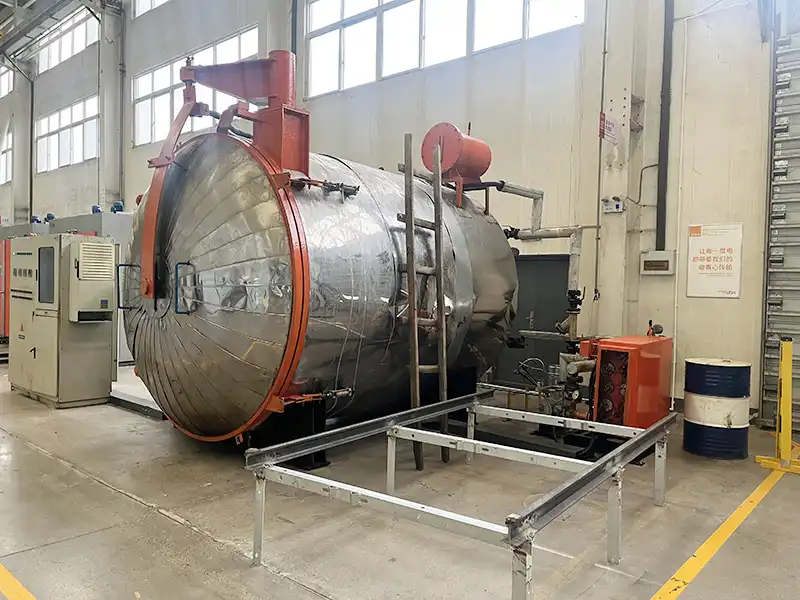
Superior manufacturing is essential for product excellence. Assess the level of automation in their production lines, including the presence of equipment such as fully automatic winding machines, vacuum drying systems, and automated testing lines.
Dimension Four: Market Reputation and Industry Application
Past performance serves as the best testament to capability. Examine their portfolio of domestic and international project cases, with particular attention to successful bids with major entities like the State Grid Corporation of China.
Dimension Five: Service System and Responsiveness
As long-term operational assets, the value of after-sales service and technical support for transformers is equally important as the product itself. Evaluate their ability to provide professional technical consultation, solution optimization, and clear documentation such as technical drawings, installation guides, and user manuals.
Dimension Six: Comprehensive Cost and Value
Conduct a total cost analysis encompassing both initial procurement and long-term operating expenses. Consider whether the product offers high reliability, which can reduce equipment failure rates and enhance grid stability.
How to Choose the Right single-phase transformer Supplier
Information Gathering: Compile an initial list of potential suppliers using industry trade shows, B2B platforms, Google, and other relevant channels.
Initial Screening: Perform a preliminary screening based on supplier qualifications, production capacity, and geographical location.
In-depth Communication and Quotation: Share detailed technical specifications with the shortlisted suppliers and request comprehensive technical proposals, product samples, test reports, and formal quotations.
Key Decision-Making: Whenever feasible, schedule on-site factory visits to directly observe the production facilities, management standards, and quality control procedures. For critical projects, order samples for small-batch testing.
Business Negotiation and Contracting: Following a comprehensive evaluation, select one or two final candidates for negotiations. Ensure the final contract explicitly outlines all technical specifications, quality standards, delivery schedules, acceptance criteria, payment terms, and after-sales service details.