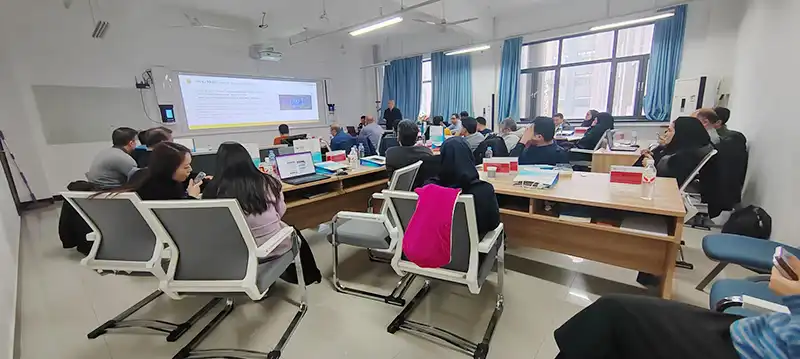
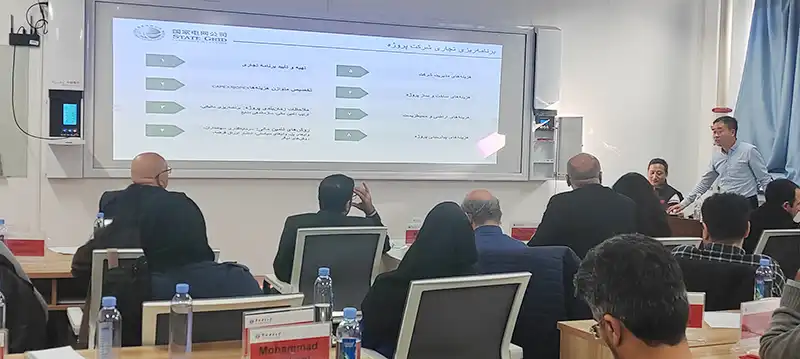
A two-day specialized training program focusing on “Smart Distribution Network Operation, Management, and New Technology Applications” was successfully concluded at North China Electric Power University (NCEPU). Tailored for senior experts and technical managers from Iran’s power sector, this program aimed to share China’s cutting-edge technologies and extensive practical experience in smart distribution networks, thereby fostering deeper exchanges and collaboration between the two nations in the energy and power fields.
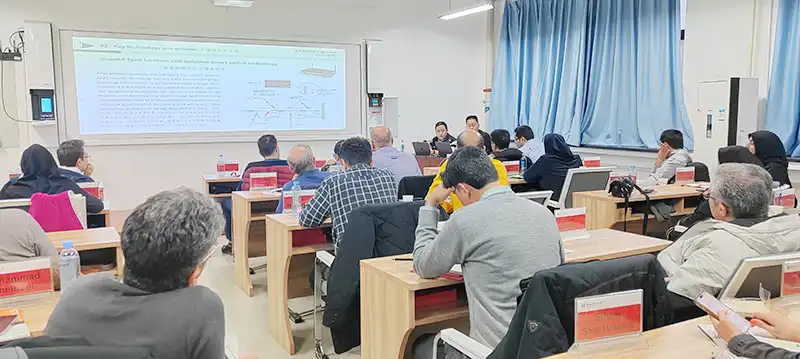
Amidst the accelerating global energy transition, the intelligent upgrading of distribution networks has emerged as a critical component. Aligning with this trend, the “Strong Power” training program featured systematically designed and forward-looking content. The first afternoon session delved into the core of smart distribution network operation and management. Experts from the Smart Grid Research Department of Strong Power Electric provided an in-depth analysis of the smart distribution network’s architecture, automated operational models, and advanced energy management strategies. These concepts were vividly illustrated through case studies of grid transformation projects in representative Chinese cities. Subsequently, the training addressed the crucial issue of enhancing distribution network safety and reliability. Strategies for fault early warning, rapid self-healing restoration, and the integration of high-penetration distributed energy resources were shared, sparking keen interest and lively discussions among the Iranian participants.
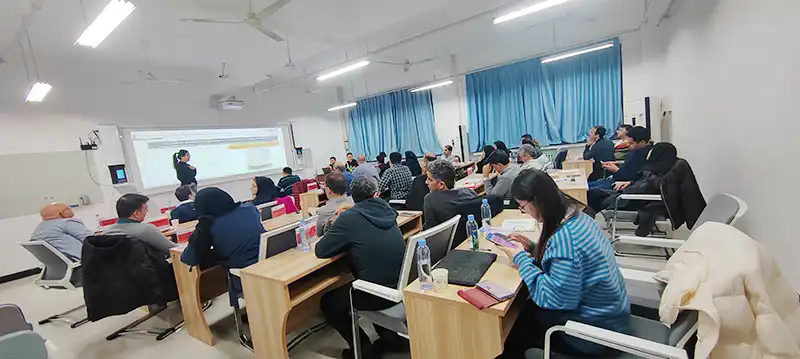
The second day shifted focus to technological innovation under the theme “New Technologies and Intelligent Applications in Distribution Networks.” Experts systematically introduced advancements in frontier areas including microgrids, virtual power plants (VPPs), green energy integration, and flexible distribution systems. They further elaborated on the transformative applications of artificial intelligence and digital twin technologies in grid planning, load forecasting, and diagnostic maintenance.
The program was conducted in a positive and highly interactive atmosphere. During tea breaks and dedicated Q&A sessions, Chinese and Iranian representatives engaged in thorough and pragmatic discussions on topics including the current state of Iran’s power industry, the adaptability of technology transfer, and prospects for future cooperation. The head of the Iranian delegation commended the program’s organization and content, stating, “China’s achievements in smart distribution networks are remarkable. This training was comprehensive and rich with specific case studies, providing valuable insights for addressing the challenges in modernizing our national power grid. We anticipate deeper cooperation in future project implementation and talent development.”
A representative from North China Electric Power University emphasized that, as a key national base for cultivating power professionals and advancing scientific research, NCEPU is dedicated to promoting international technological cooperation in the energy and power sector. This training program served not only as a platform for knowledge transfer but also as a bridge for friendship. The university expressed its commitment to working with Iranian partners to jointly tackle energy development challenges and share the benefits of technological progress.
The successful execution of this specialized training effectively enhanced Iranian professionals’ understanding of smart distribution network technological systems, demonstrated the advanced development level of China’s power technology, and laid a solid foundation for more substantive project cooperation in the smart energy field moving forward. North China Electric Power University will continue to leverage its professional strengths to support national energy strategies and international collaboration, contributing to a greener, smarter, and more interconnected global energy future. Strong Power Electric also played an active role in advancing the development of sustainable power grids.