On April 25, 2026, the “Wisdom of Taihang: Forging the Future of Storage” Conference on New Power Systems and High-Quality Development of Distribution Networks was grandly held in Xinxiang. Hosted by the Henan Society of Electrical Engineering and organized by Strong Power Electric, the event marked a significant milestone in the industry.
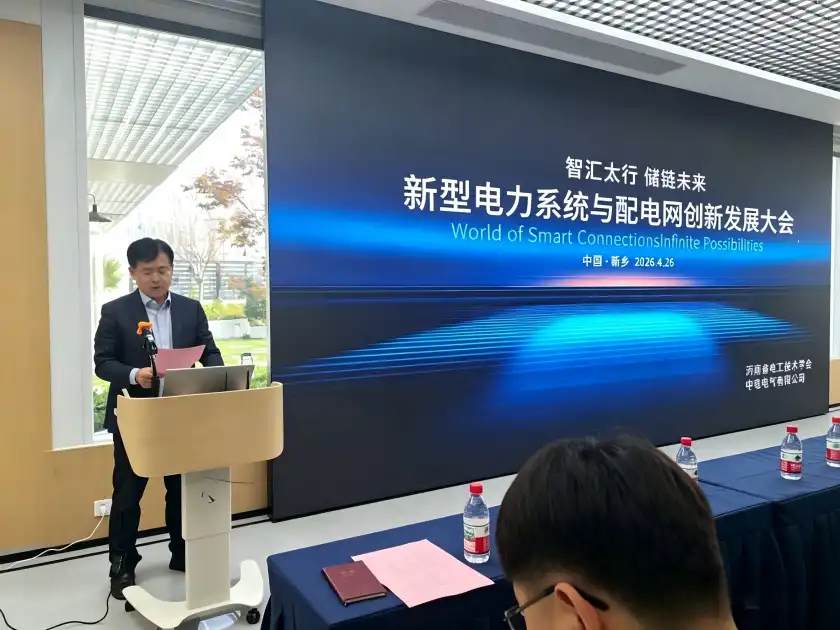
Closely aligned with the national “Dual Carbon” strategy and the energy development blueprint for the 15th Five-Year Plan period, the conference focused on key areas such as the construction of new power systems, distribution network upgrades, grid-forming energy storage, and the internationalization of the power sector. By bringing together authoritative figures from government, industry, academia, research institutions, and end-users, the event served as a high-level, high-caliber, and high-value industry gathering.
The conference addressed critical industry pain points and frontier trends, establishing a high-end platform for exchange designed to facilitate the construction of new power systems and drive the high-quality development of the power industry.
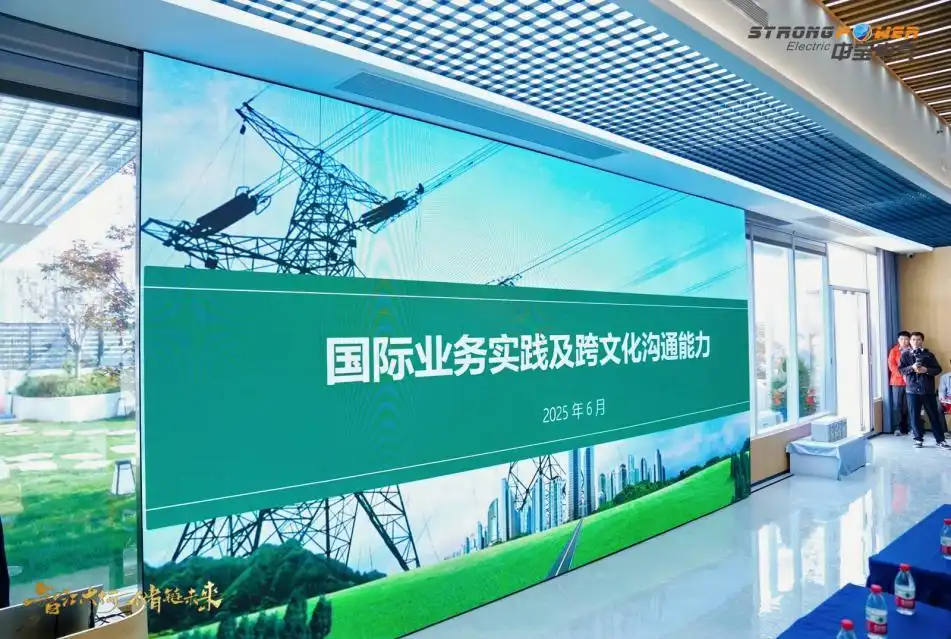
An expert from the State Grid Corporation’s International Business Department delivered a keynote speech titled “International Power Business Practices and Cross-Cultural Communication.” He provided a profound analysis of the strategic opportunities, risk management protocols, and operational management strategies for Chinese power enterprises “going global” within the broader context of energy cooperation under the “Belt and Road” Initiative.
Sun Zhiyin, Vice President of Technology at Strong Power Electric, focused on “Active Voltage Comprehensive Governance Technology and Engineering Applications.” He systematically elucidated the critical value of precise voltage governance within distribution networks in terms of enhancing power supply reliability and facilitating the integration of new energy sources.
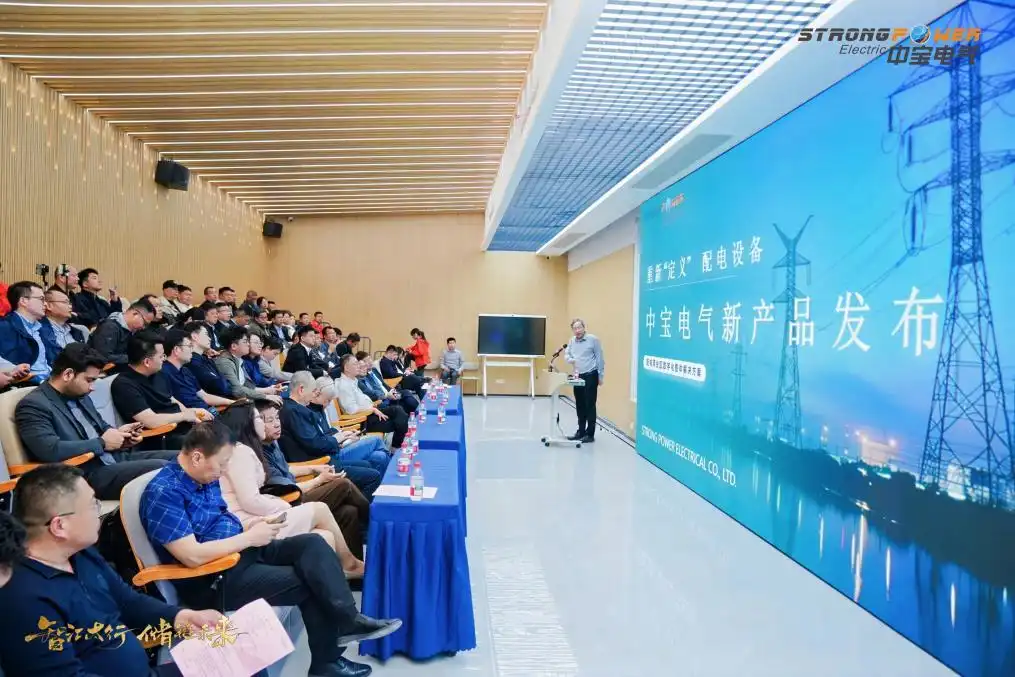
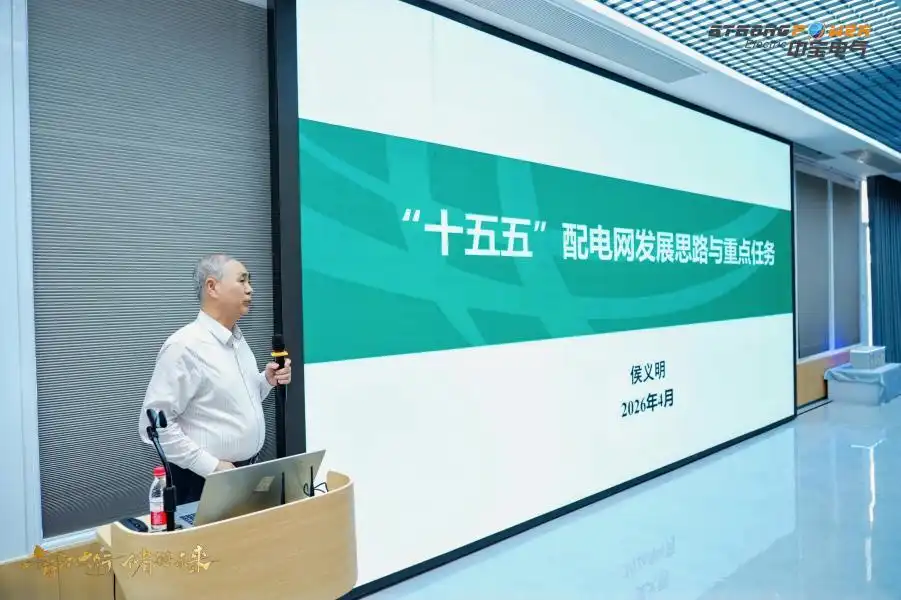
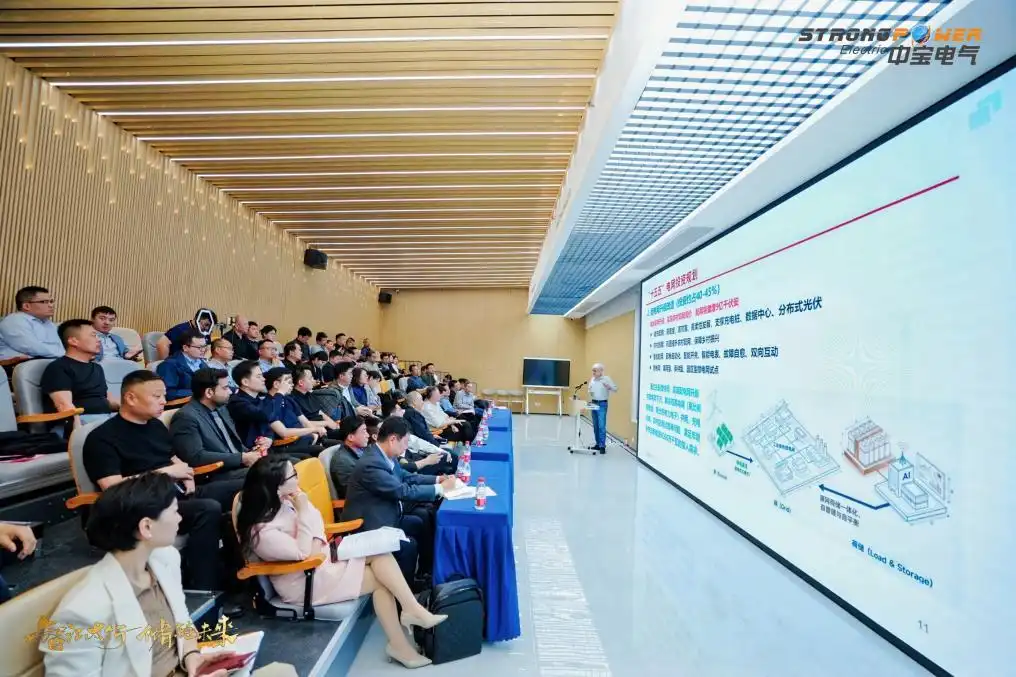
Professor Hou, a Professor-level Senior Engineer at the China Electric Power Research Institute (CEPRI), offered an in-depth interpretation of the distribution network construction requirements and market opportunities anticipated during the 15th Five-Year Plan period. He provided a precise assessment of the State Grid’s upgrade directions, investment priorities, and technological trends.
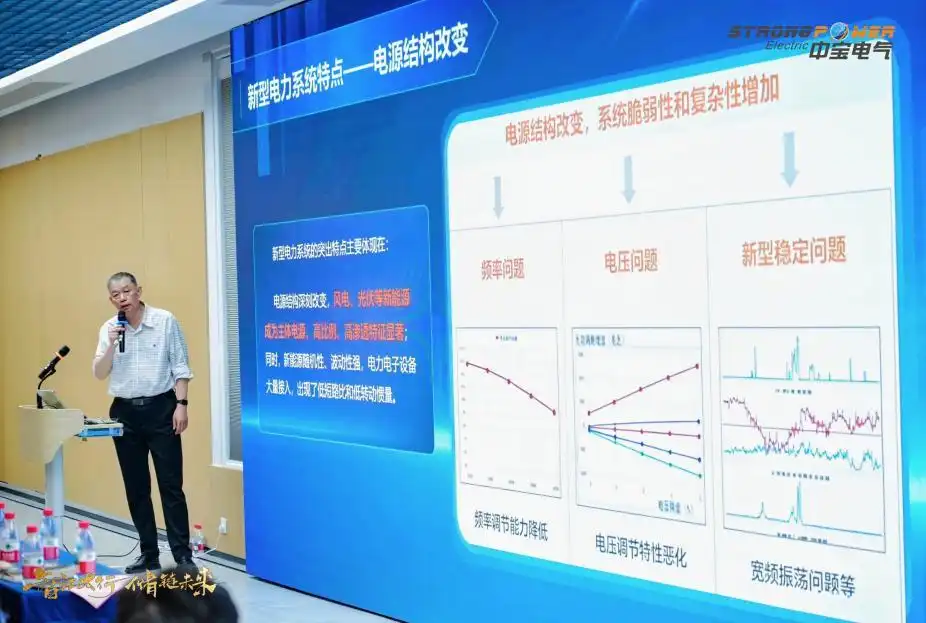
Professor Zhang, a Doctoral Supervisor at North China Electric Power University, presented a comprehensive analysis of the latest developments and core technological directions in the construction of new power systems. Focusing on the systemic transformations triggered by the high-proportion integration of new energy sources into the grid, he identified key breakthrough points—including microgrids, multi-energy complementarity, grid-forming control, and digital dispatching—thereby charting a clear path for technological R&D and industrial implementation.
Wang Ping, Chief Technical Expert for New Energy at Strong Power Electric, authoritatively unveiled the company’s “High-Voltage Cascaded Grid-Forming Hybrid Energy Storage Technology.” This innovation directly addresses the critical challenge of grid stability associated with the high-proportion integration of new energy sources. Strong Power Electric’s related technologies have reached an advanced level within the industry, providing effective support for the large-scale integration of new energy and the construction of new power systems.
The five keynote reports delivered at this conference were packed with substantive content and highlighted numerous innovations, effectively fostering efficient communication and facilitating precise business matchmaking among the attending guests. Meanwhile, the distinguished guests engaged in in-depth exchanges and cross-disciplinary discussions centered on core themes such as the internationalization of the power sector, voltage management in distribution networks, grid-forming energy storage, and the practical implementation of new-type power systems. In a relaxed yet pragmatic atmosphere, they shared industry insights, forged a consensus on future development, and explored potential collaborations, thereby laying a solid foundation for subsequent technical alignment and industrial synergy.
Roundtable Forum: A Clash of Ideas, Charting the Course
The dialogue was moderated by Sally Liu, General Manager of Strong Power Electric. Participating experts engaged in profound discussions covering topics such as technological innovation, energy storage development, the internationalization of the power industry, and industry-academia-research collaboration, reaching several key consensuses:
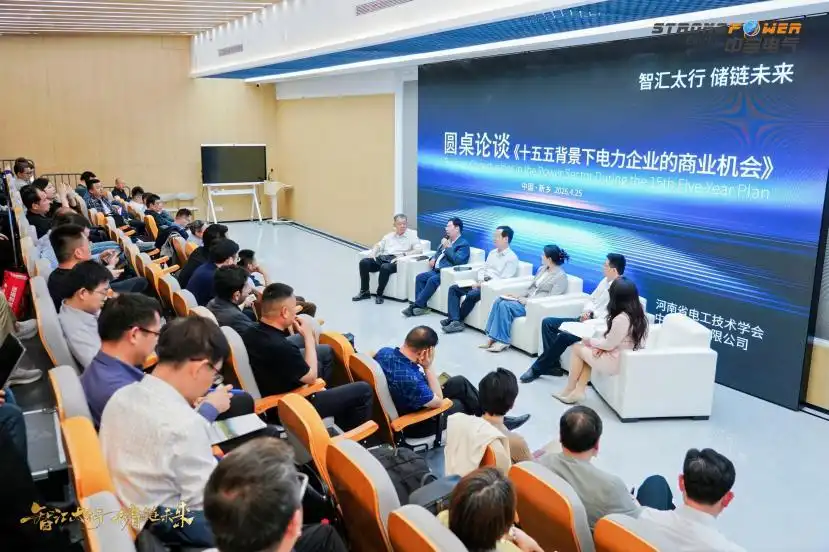
- The construction of new-type power systems has entered a critical phase of intensive development, with technological innovation serving as the core driving force.
- Grid-forming energy storage, intelligent distribution networks, and comprehensive voltage management constitute essential sectors driven by rigid market demand.
- Enterprises must pursue a path of specialization, refinement, and innovation, leveraging core technologies to build long-term competitive advantages.
- Only through deep collaboration among industry, academia, research institutions, and end-users can we accelerate the translation of research findings into practical applications and drive industrial upgrading.
On-site Tour: From Theory to Practice—Witnessing Core Capabilities
Following the keynote presentations and roundtable discussions, the delegation—comprising leaders, experts, and guests—toured Strong Power Electric’s modern manufacturing facility. They observed firsthand the entire lifecycle of R&D, production, and testing for voltage management equipment, grid-forming energy storage systems, and intelligent power distribution devices.
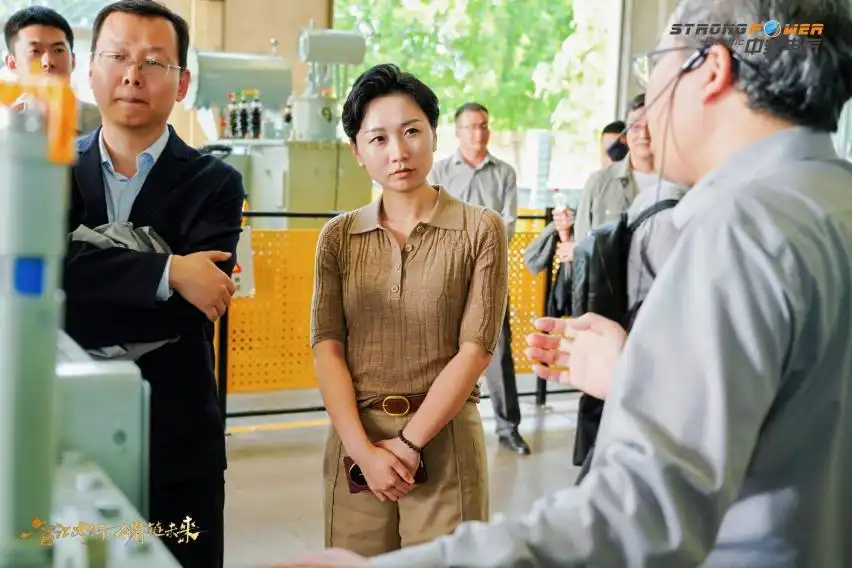
The experts highly commended Strong Power Electric’s standardized, lean, and intelligent manufacturing system. They acknowledged that the company has truly achieved independent mastery of core technologies, localization of critical equipment, and large-scale engineering application—thereby providing robust hardware support and industrial assurance for the construction of new-type power systems. This on-site tour effectively translated the conference’s theoretical outcomes into practical reality, transforming technical consensus into industrial consensus.