
With the arrival of spring, China has entered its peak irrigation season, which has led to a sharp rise in residential electricity consumption. Addressing challenges such as weak voltage, low power factor, and high line losses has become increasingly urgent.
To tackle these power issues, the power supply bureau conducted extensive research and technical comparisons before partnering with Strong Power Electric—a company with over 20 years of experience in the power distribution network industry. Strong Power Electric installed its active harmonic filter solution to precisely resolve power supply problems, fully guarantee power demand, and strengthen the power supply defense line for the spring season.
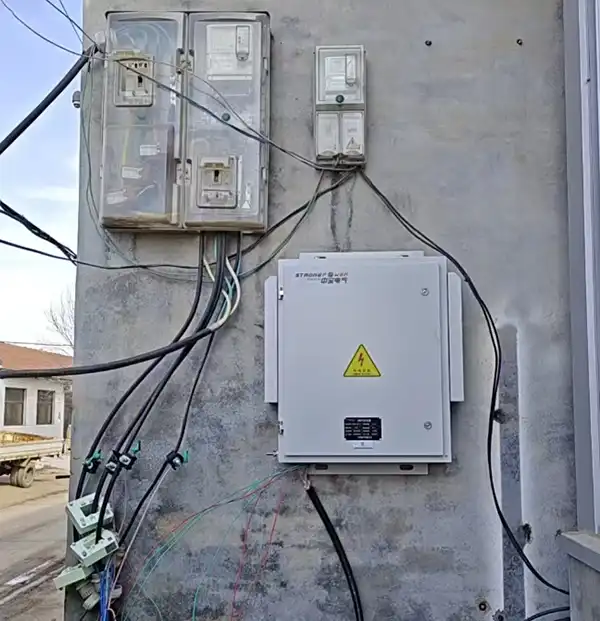
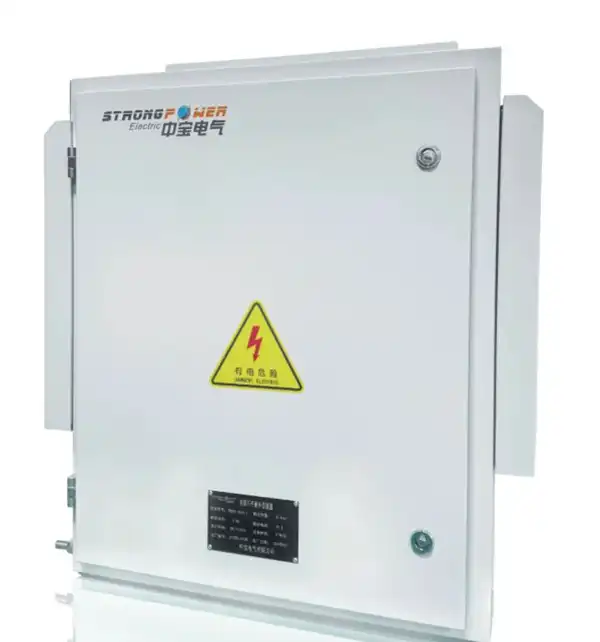
Strong Power Electric’s active harmonic filter effectively addresses key pain points with superior performance, including a harmonic filtering rate of ≥97% and a response speed of ≤10ms. This allows for rapid dynamic compensation of reactive power and instantaneous voltage stabilization. Its modular design is adaptable to harsh outdoor conditions, requires no manual intervention, and significantly reduces maintenance costs. With multiple capacity options available, the device is suitable for scenarios with concentrated power loads and high power supply stability requirements, making it a practical solution for reactive power compensation and harmonic mitigation in the industrial sector.
To ensure smooth installation and efficient operation, Strong Power Electric’s technical expert team provided remote, comprehensive guidance throughout the entire process, overcoming spatial limitations and efficiently advancing all aspects of the work. From on-site surveys and parameter collection to installation, commissioning, and parameter calibration, the entire process was conducted online with precise coordination and patient answers to questions. Specialized remote operation and maintenance training was also provided to help on-site staff quickly master operational skills. This remote approach saved on-site service costs and shortened the commissioning cycle, achieving the goals of “remote guidance, on-site implementation, and high efficiency.”
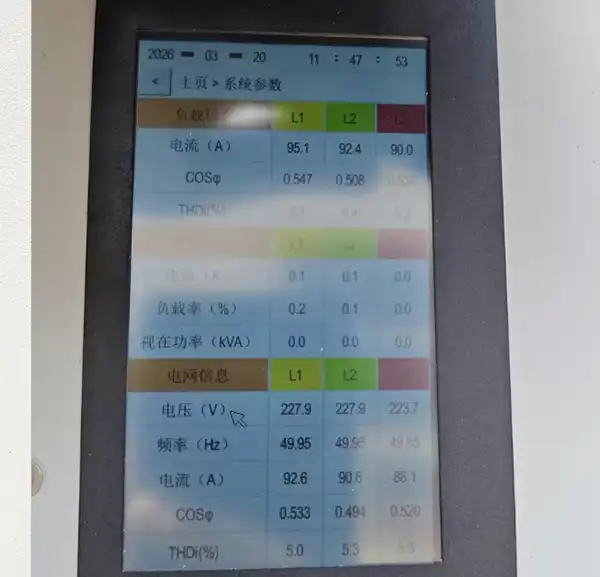
The equipment’s performance after commissioning was remarkable, comprehensively resolving core power supply issues. Before installation, the line power factor was only 0.5, and the terminal voltage was low. After commissioning, the power factor improved to 0.85, and the terminal voltage stabilized within the reasonable range of national standards. The equipment operated smoothly, overcoming bottlenecks and production capacity constraints, improving production efficiency, and reducing electricity costs. The power supply station successfully resolved issues of excessive line losses and performance pressure. This collaboration received high praise.